01
Container & multi-level farms
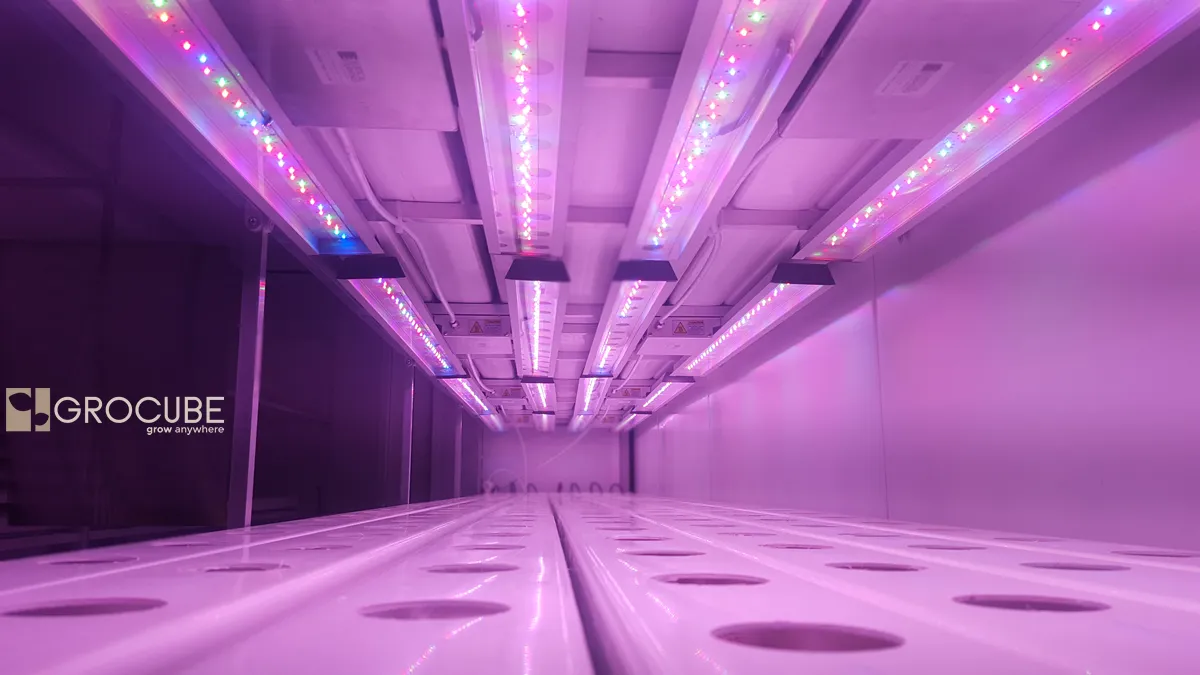
Shipping-container farms you can place on a lot, a yard, or stack into a multi-level site — growing all year under LED light.
Vertical farming & hydroponics · South Africa
Container farms, rooftop systems, NFT hydroponics tunnels, and community nethouses — controlled environment agriculture designed, built, and handed over with training.
Since 2016
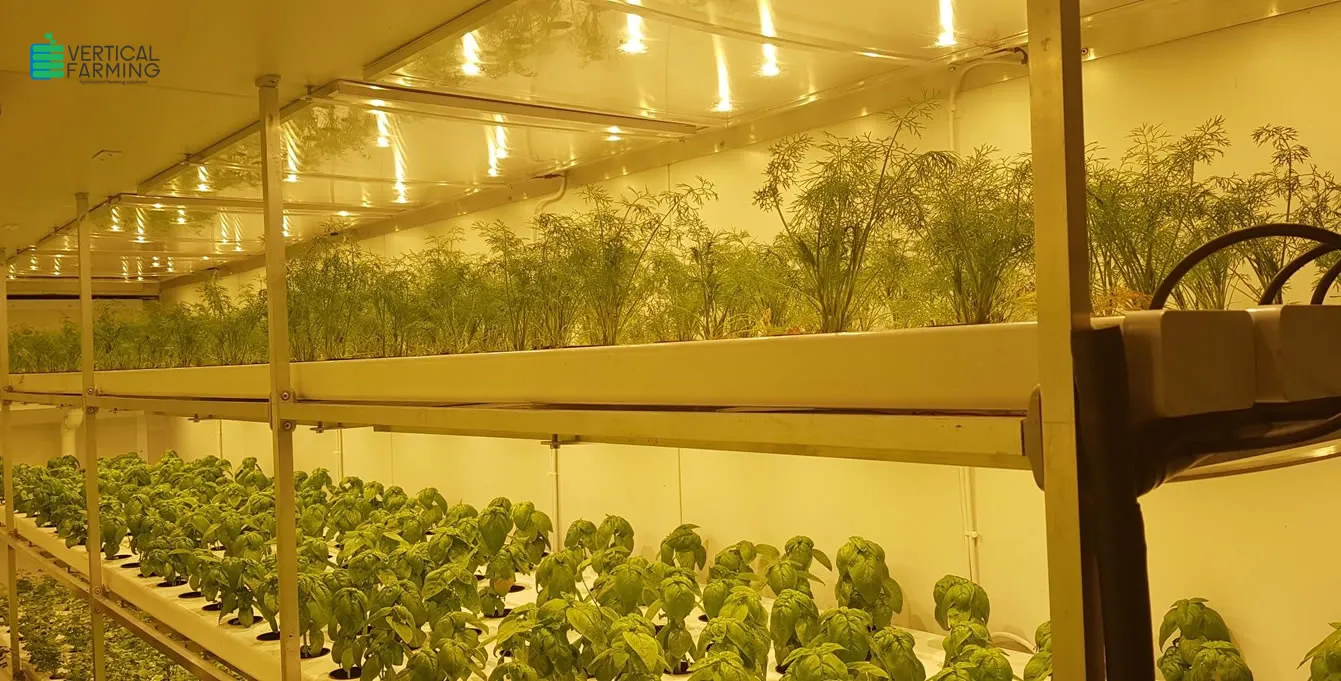
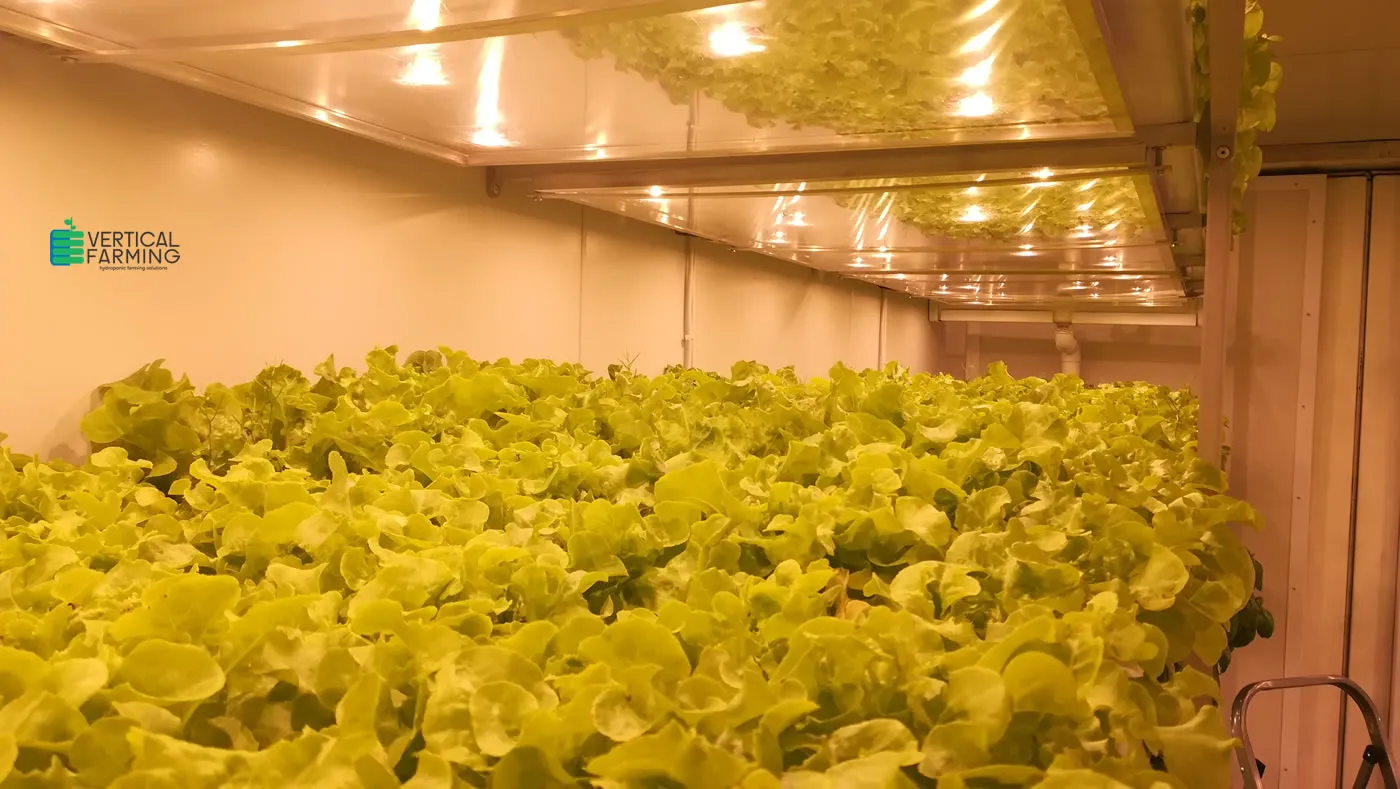
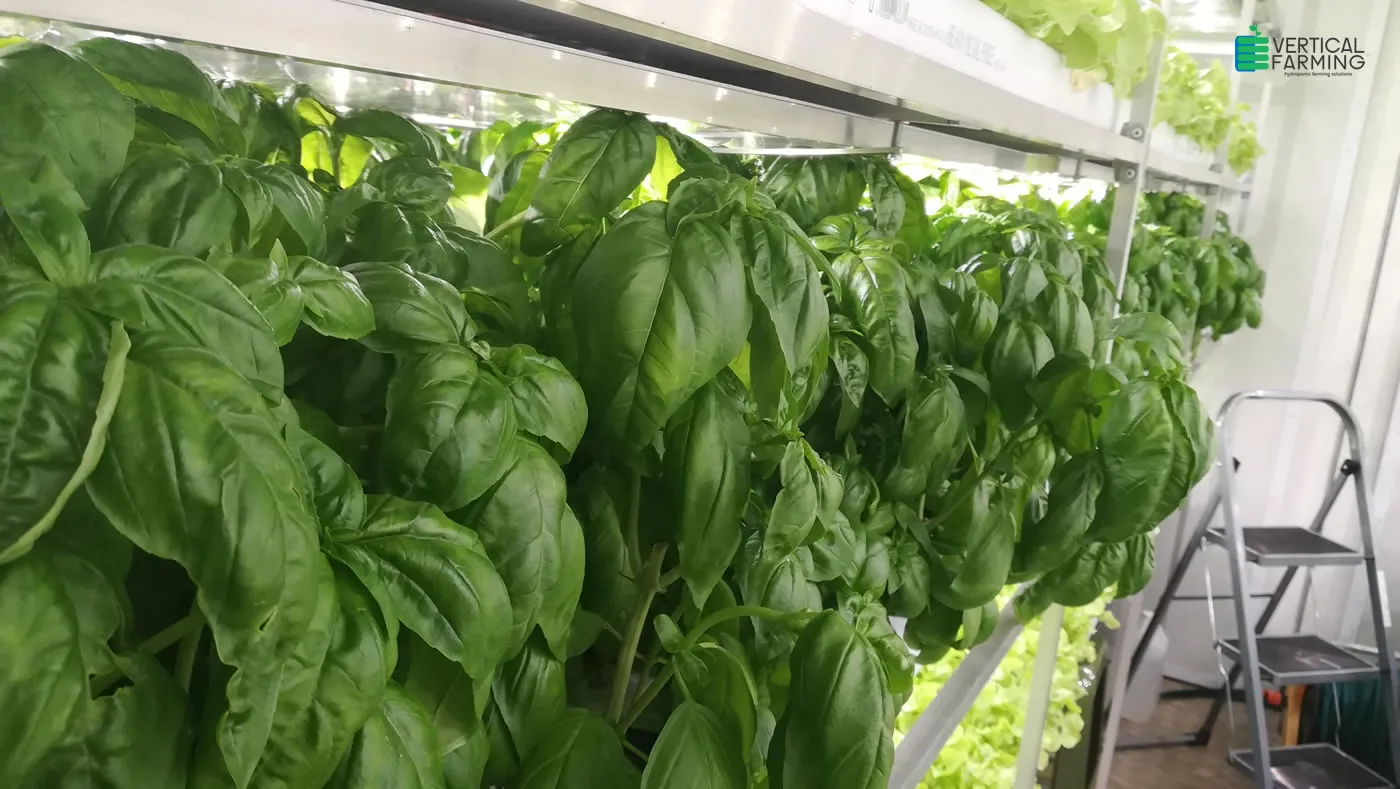
We engineered South Africa’s first locally built commercial shipping-container farm for the YES Hub in Thembisa. Proving the commercial power of hyper-local CEA, we deployed a pilot container unit just 50 metres from a retail SPAR storefront. Leafy greens and fresh basil were harvested and moved directly from the climate-controlled container straight to the retail shelf—eliminating transport runs, fuel overheads, and long-distance cold storage entirely.
That is the power of modern urban farming. Where land is scarce, cities offer rooftops, paved yards, and unused spaces. By growing vertically with high-efficiency hydroponics, produce is harvested right where consumers live, eat, and buy.
01
Shipping-container farms you can place on a lot, a yard, or stack into a multi-level site — growing all year under LED light.
02
We come to you, look at the space, and propose the system that suits it.
03
Turn a roof the city already built into growing space.
04
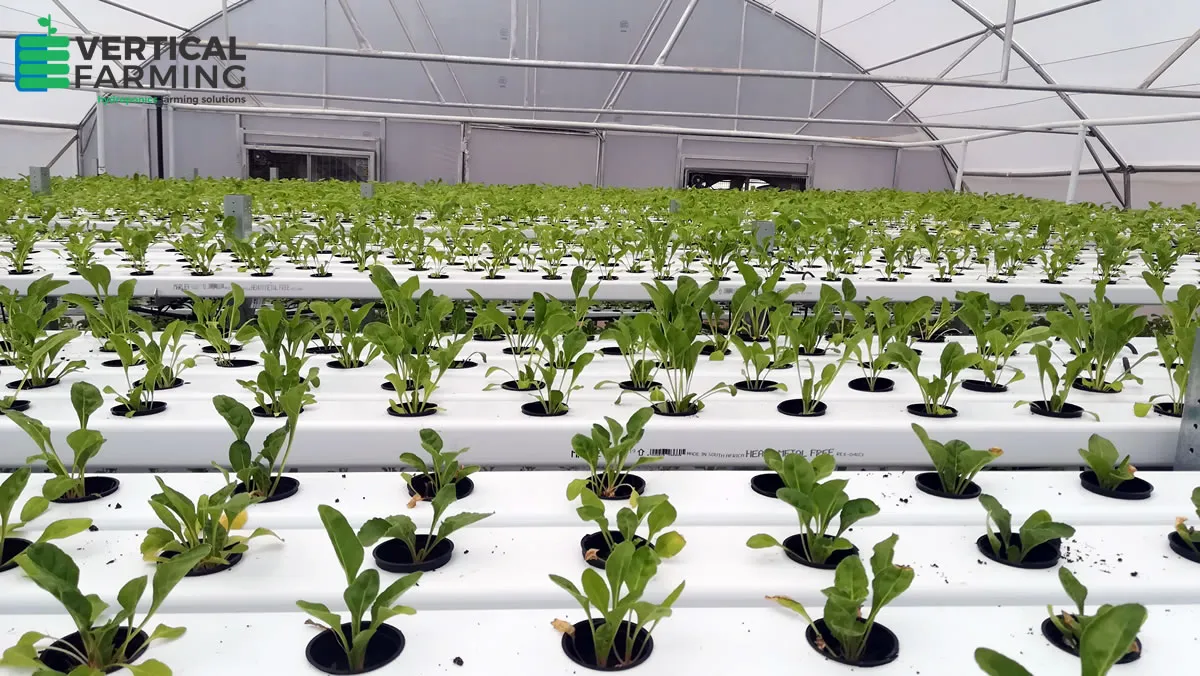
Nutrient film technique channels that feed roots with a thin, recirculating stream.
05
Shade-net cover and drip lines for community-scale fields.
06
Hands-on training for the people who run it, and support after handover.
07
We work with communities and with mining companies that want sustainable food production for the people living around their operations.
Selected work
Keep scrolling — the projects slide past.
Projects & photo gallery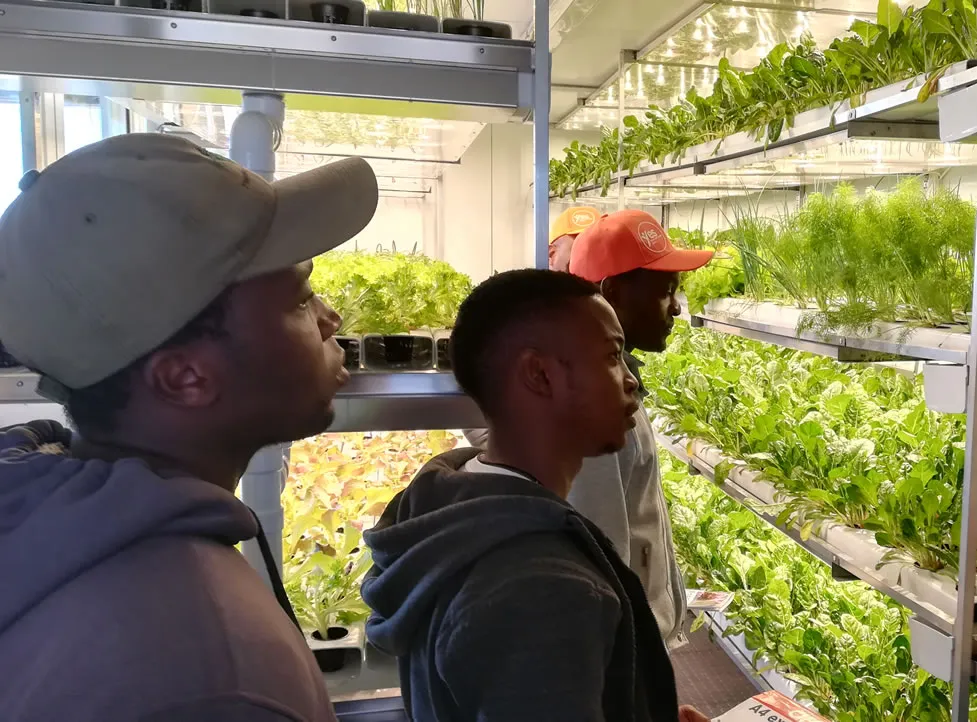
Thembisa, Gauteng
South Africa’s first commercial shipping-container farm by a local company, built for the YES Hub youth programme.
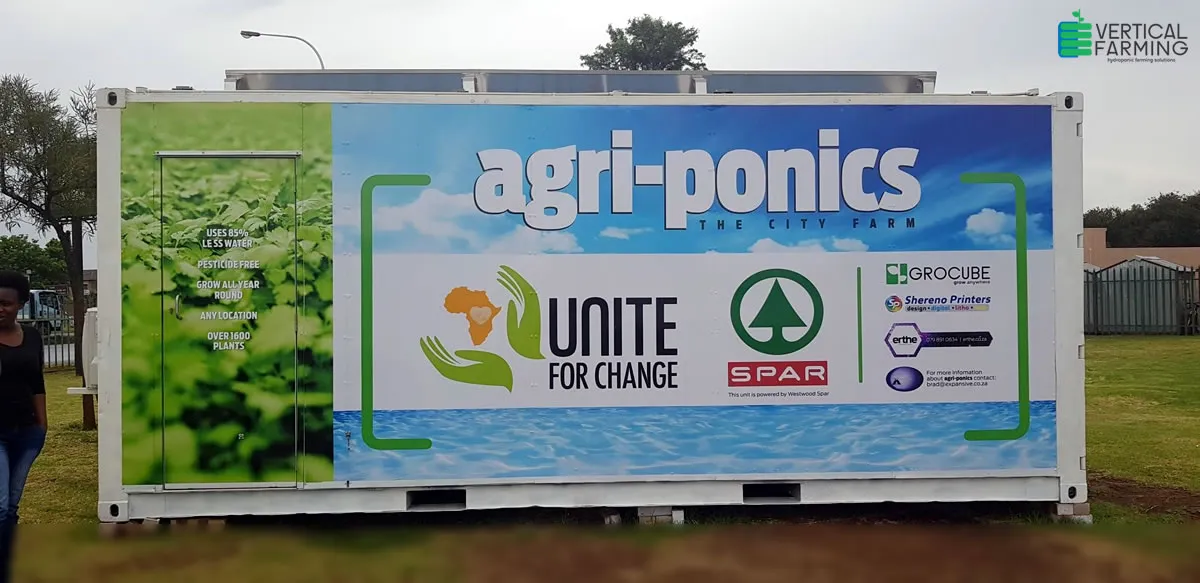
50 m from the shelf
Leafy greens and basil grown next to the supermarket and supplied fresh — without transport or cold storage for that supply.
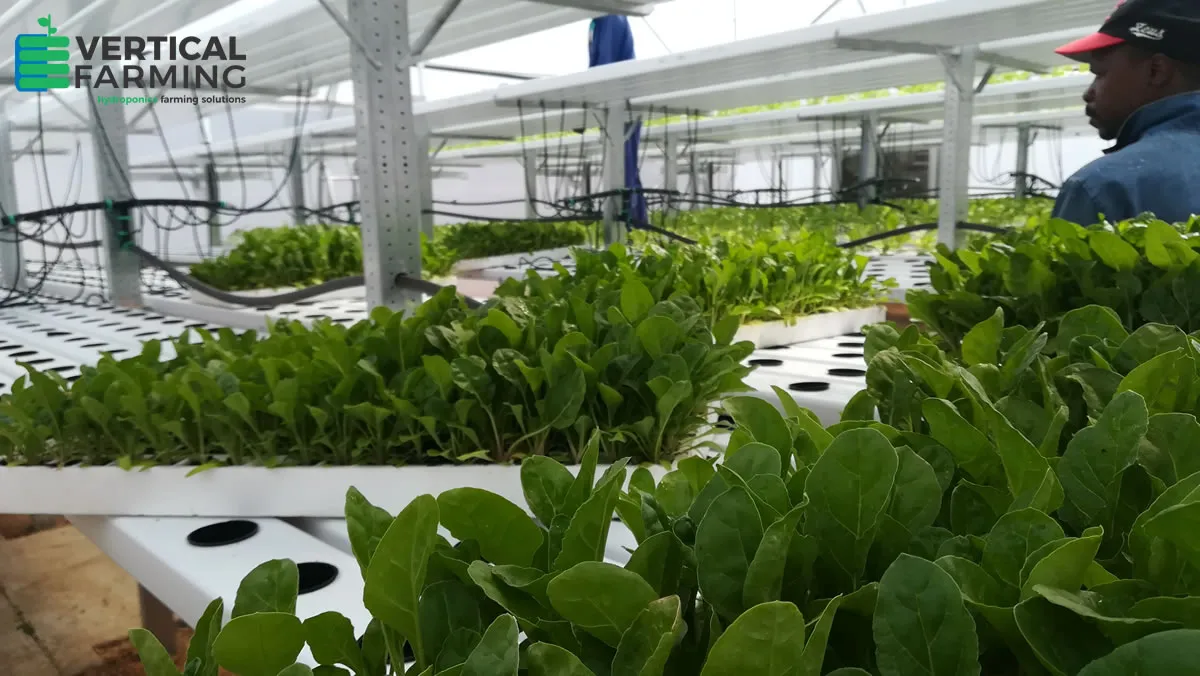
Botswana
A nutrient film technique tunnel so a lodge could serve its guests vegetables grown on the property.
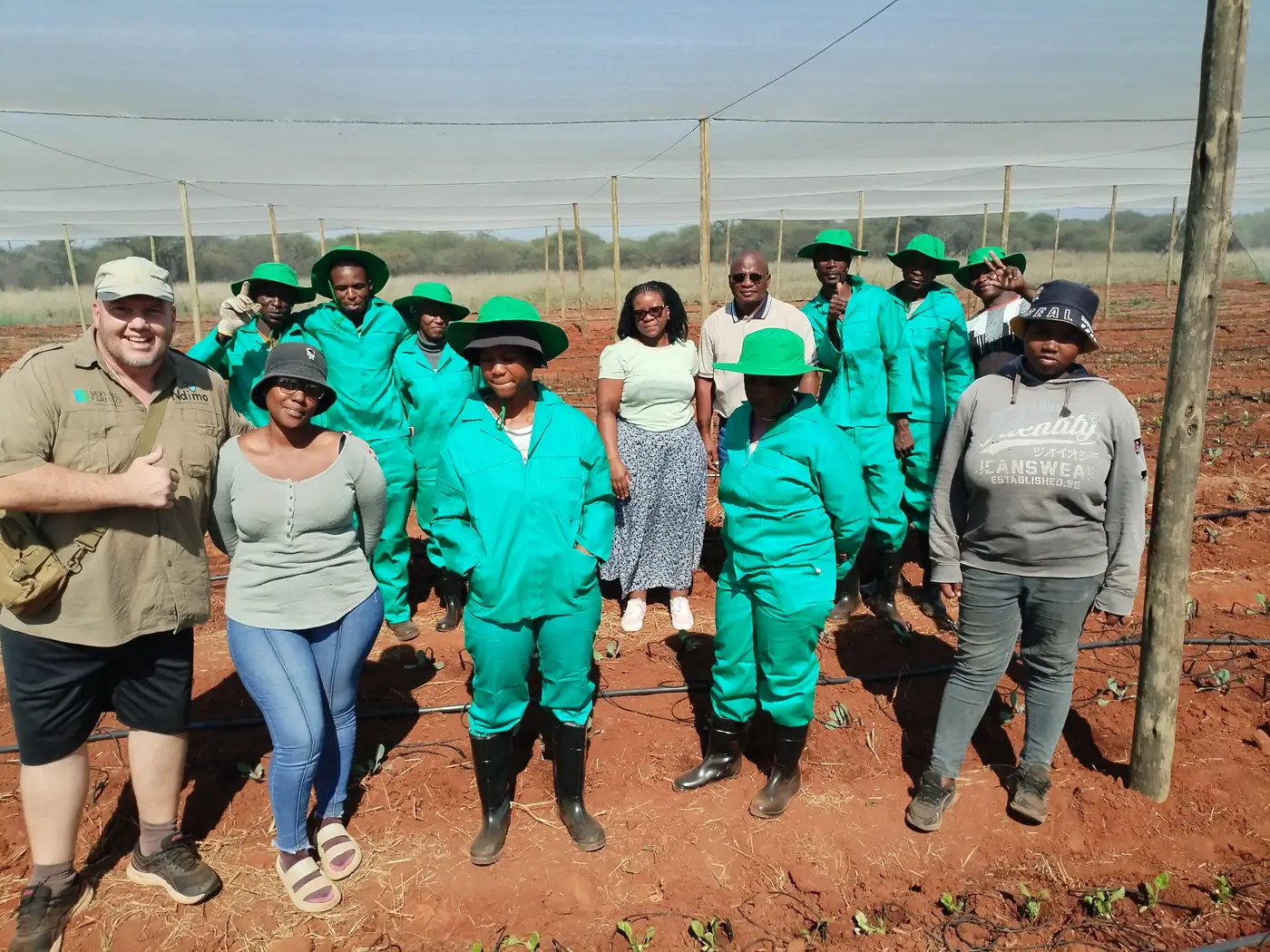
Rust de Winter
Two large nethouse and drip-irrigation projects — a more sustainable alternative to open-field farming.
Hydroponics
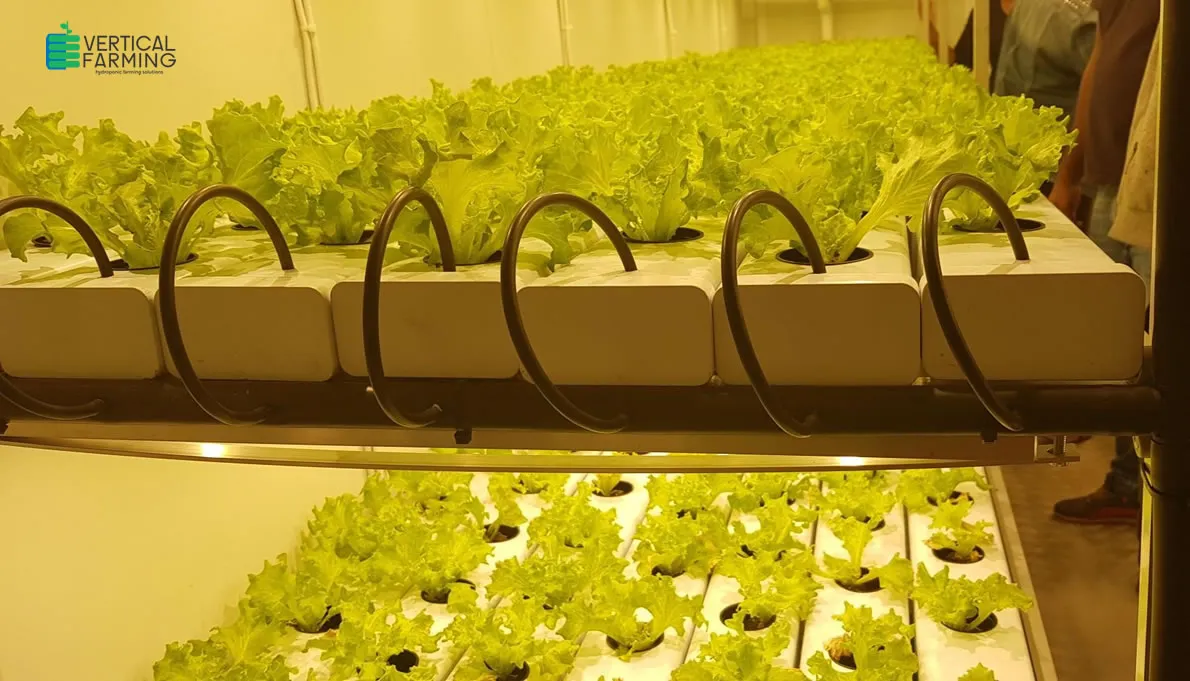
Plants grow in a water-based nutrient solution that delivers minerals straight to the roots. Growth is faster and yields are higher than in a typical field — with 80–90% less water, fewer pesticides, and the freedom to grow in cities or dry regions.
Urban farming
City farming turns rooftops, empty lots, backyards, and indoor rooms into productive ground. It brings fresh produce to neighbourhoods that lack it and cuts the kilometres food travels — at any scale, from one household to a supplier for markets and restaurants.
Vertical farming
Crops in stacked layers inside a building or container, with temperature, humidity, LED light, and CO₂ controlled for year-round harvests. Up to 99% less land and up to 95% less water than conventional farming.
Local · 30 October 2026
A new national programme pairs land reform with funding, skills, infrastructure, and market access.
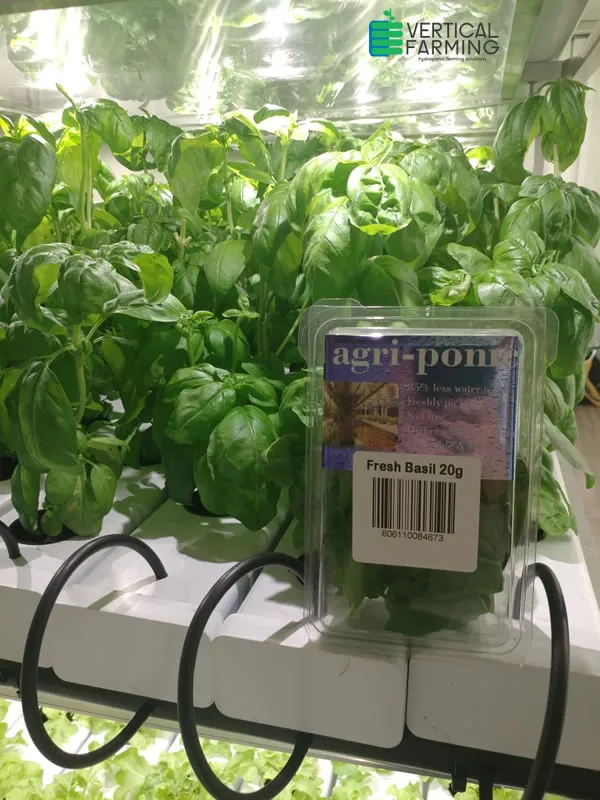
Local · Project note
What changed when the farm moved next door to the supermarket.
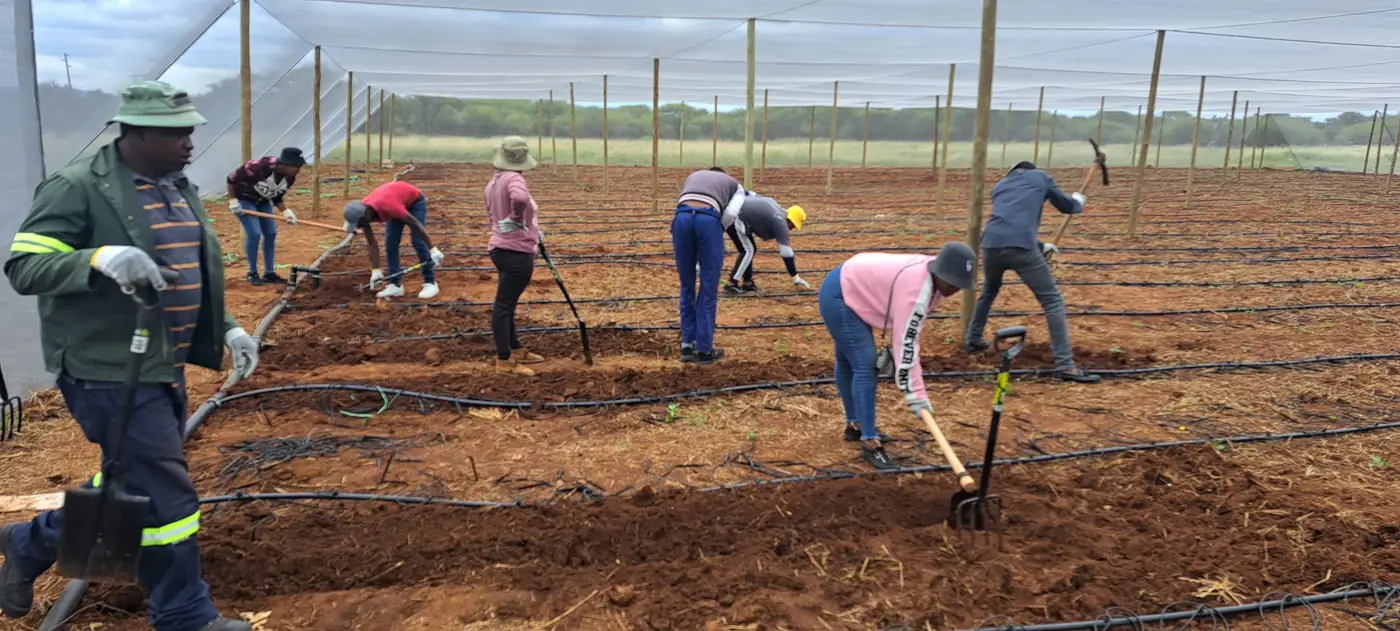
Local · Rust de Winter
Drip irrigation under net, with local teams trained on site.
Talk to us for the best solution. We’ll visit your site, propose the right system, build it, and train your team.
Already farming or planting vegetables for yourself or your community? Find buyers at the Fresh Produce Market →